Circular Transformers Project
The energy transition and increasing electrification are driving demand for transformers. At the same time, shortages and long lead times are making the replacement and expansion of industrial electrical installations increasingly challenging. Can existing transformers remain in service for longer? And when can a used transformer provide a reliable alternative to purchasing a new one?
The Circular Transformers research project combines technical condition assessment, economic feasibility and circularity. Its aim is to help companies and infrastructure operators make better-informed decisions between service life extension, reuse, refurbishment and purchasing new equipment.
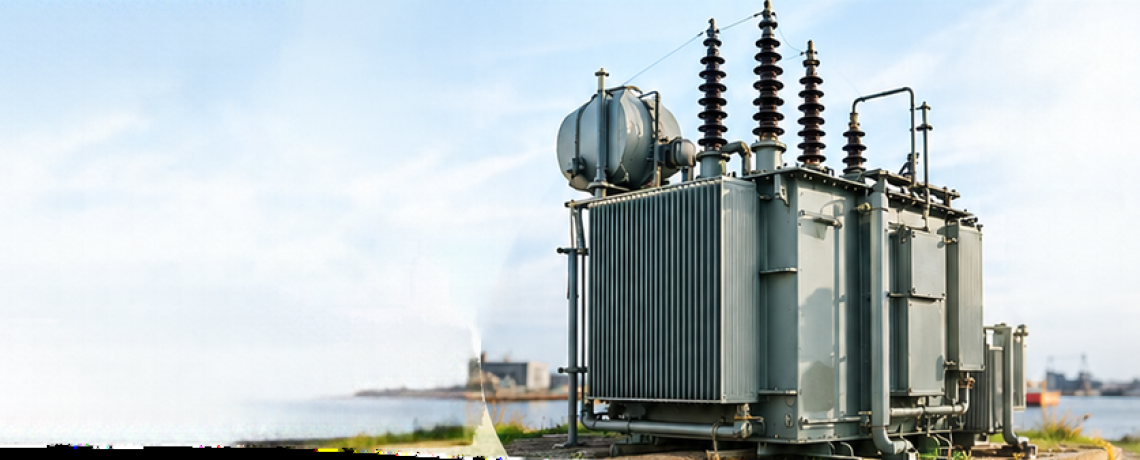
From used transformers to reliable residual value
The age of a transformer alone does not provide sufficient information about its remaining service life or potential for reuse. Technical condition, safety, reliability, intended application, costs and availability must all be considered.
The project investigates the technical and economic conditions under which transformers can remain in service for longer or be reused. Not every used transformer is automatically suitable for a second life. Objective assessment is therefore central to the research.
What does the project investigate?
The research consists of four interconnected areas:
- Study: A survey to map the current needs of industrial users and grid operators, as well as the barriers to lifetime extension and reuse.
- Technical feasibility: Investigating how transformer condition and remaining service life can be objectively assessed, and identifying opportunities to support service life extension and reuse.
- Economic feasibility – HZ: Investigating the circumstances under which reuse or service life extension may be economically attractive compared with refurbishment or purchasing new equipment.
- Practical feasibility – Asset owners and the Circular Lab: Conducting measurements and practical tests to validate the research approach.
The intended outcome is an evidence-based decision framework that enables organisations to compare service life extension, reuse, refurbishment and purchasing new equipment on a case-by-case basis. The project also includes a practical demonstration case in the Circular Lab.
What does the project aim to achieve?
The project aims to provide industrial companies and infrastructure operators with better guidance when making decisions about existing transformers:
- Greater insight into technical condition and remaining service life: Better assessment of whether an existing transformer is suitable for continued operation.
- Better-informed investment decisions: Supporting technical and economic comparisons between service life extension, reuse, refurbishment and purchasing new equipment.
- More options when lead times are long: Investigating when existing or refurbished transformers can provide a reliable alternative.
- Reduced raw material consumption and environmental impact: Gaining insight into the potential circular benefits of service life extension and reuse.
Who is the Circular Transformers project relevant to?
The project primarily targets organisations that own or manage transformers and make decisions about their maintenance, replacement and expansion:
- Industrial companies: Including chemical companies, process industries, energy-intensive manufacturing companies and port-based industries operating their own transformers.
- Grid and infrastructure operators: Organisations that need to balance reliability, safety, availability and replacement strategies on a larger scale.
Maintenance and refurbishment companies, technical service providers and transformer suppliers can also contribute relevant practical knowledge. For maintenance managers, asset managers, technical managers and reliability engineers, the project provides insights to support better-informed investment and maintenance decisions.
The role of BEMAS
BEMAS conducts the study within the Circular Transformers project. This research focuses on the challenges and needs of industrial users and other operators, including technical uncertainties, replacement costs, lead times, warranties, liability and the conditions required for safe and reliable reuse.
Through our network of maintenance, reliability and asset management professionals, we help gather relevant practical questions and experiences from across the industry.
Project timeline and partners
The research is scheduled to run from the fourth quarter of 2026 through 2027, covering a study, technical and economic feasibility studies, practical testing and validation, followed by conclusions and further development. The timeline is indicative and based on the project one-pager.
Project partners: Ghent University (UGent), HZ, BEMAS and KicMPi. Practical validation involves asset owners and the Circular Lab.
Funding: The project is co-funded through the Regio Deal subsidy programme. The Province of Zeeland and the Municipality of Terneuzen are also identified as funding partners in the project communications.
Interested in contributing?
Does your organisation have experience with transformers or a specific question regarding replacement, refurbishment or service life extension? The project welcomes input from industrial companies, grid operators and other parties interested in sharing their practical experience or exploring opportunities for collaboration.
Contact person: Diewertje Dekker, Project Manager of Circular Transformers (KicMPi).
More information: https://innovatiehub.tv
Frequently asked questions
Can every used transformer be put back into service?
No. Suitability depends on factors such as technical condition, remaining service life, application requirements and safety. The project investigates how these aspects can be objectively assessed, so that reuse decisions are not based solely on age or historical operating data.
What is the difference between service life extension and reuse?
Service life extension means keeping an existing transformer in operation for longer, potentially following maintenance or refurbishment. Reuse means deploying a transformer in a new application, for example in another installation. In both cases, its technical suitability for the intended application must be demonstrated.
When is reuse more economically attractive than purchasing a new transformer?
This depends on factors such as condition, required refurbishment work, remaining service life, available alternatives and total costs. The research aims to help organisations compare these factors systematically. A lower purchase price does not automatically mean lower life cycle costs.
BEMAS Corporate Sponsors