How to Detect Vibration Spark Erosion
Vibration Spark Erosion can cause high-voltage generator insulation to deteriorate rapidly, potentially progressing from early warning signs to major winding damage within a short period. But can it be recognised before failure occurs?
In this webinar, Wojciech Betlej of Quartzelec uses two generator cases to demonstrate how Partial Discharge (PD) measurements, inspection findings and online can be combined to identify rapidly developing deterioration and support better-informed maintenance and operational decisions.
Vibration Spark Erosion: Causes, Progression and Early Detection of Insulation Damage
Vibration Spark Erosion (VSE) is one of the most aggressive ageing mechanisms affecting high-voltage generator windings. Once established, insulation degradation can progress rapidly, with severe cases advancing from the first detectable warning signs to complete winding failure in just a few months.The difficulty? Recognising the warning signs in time.
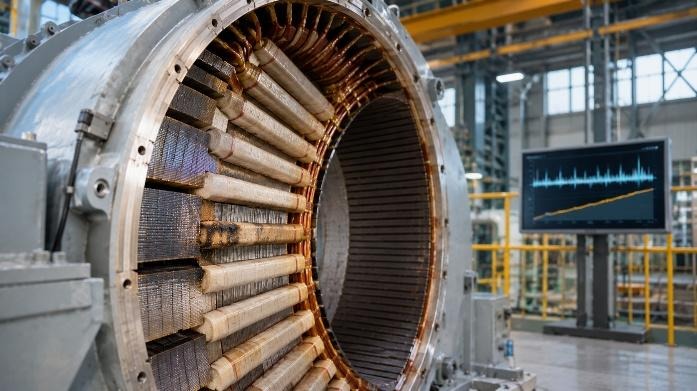
VSE can develop when stator bars become loose within the stator core allowing electrical discharges to occur between the bar surface and the earthed core. These discharges progressively erode the corona protection system and damage the insulation. If the deterioration continues unnoticed, the consequences may extend beyond the winding itself: the resulting fault energy can also cause significant damage to the stator core, substantially increasing the scale of the repair and the duration of the resulting outage.
Partial Discharge (PD) measurements can provide valuable evidence of developing insulation problems, but an individual measurement does not always tell the full story. Changes in PD activity over time, and under different operating conditions, can provide much more meaningful information. Through explaining the physical mechanism behind Vibration Spark Erosion and examining two HV generator case studies, Wojciech Betlej will demonstrate how PD measurements,
inspection findings and online monitoring (of??) can be evaluated together? to recognise rapidly developing deterioration and guide practical decisions about continued operation and intervention.
Content of the webinar
- Vibration Spark Erosion: mechanism and progression
- What VSE is and the physics behind the phenomenon
- How loose stator bars can cause sparking to the earthed stator core
- How initial surface erosion can develop into serious insulation damage
- Case study 1: 11 kV generator monitored using periodic PD and ozone measurements
- Case study 2: 11.3 kV generator showing visible slot PD activity
- Practical recommendations for PD testing, trending and online monitoring
Q&A
You learn how VSE develops, what its characteristic warning signs can look like and why changes in PD activity over time can be more revealing than an isolated measurement. The two case studies will demonstrate how diagnostic evidence can support earlier intervention and better-informed decisions about whether critical equipment can remain in operation.
Practical Information
10:45 Welcome to the BEMAS Live Learning Platform
11:00 Start of the presentation
12:00 Conclusion and Q&A

About the speaker
Wojciech Betlej holds an MSc in Electrical Engineering from Munster Technological University and began his career as a Generator Design engineer at GE. He is currently International Business Development Manager at Quartzelec, specialising in PD monitoring systems and diagnostics services for high-voltage rotating equipment. He supports operators of critical electrical assets in interpreting diagnostic information and translating measurement results into practical maintenance and operational decisions. 
Keep me posted
BEMAS Corporate Sponsors